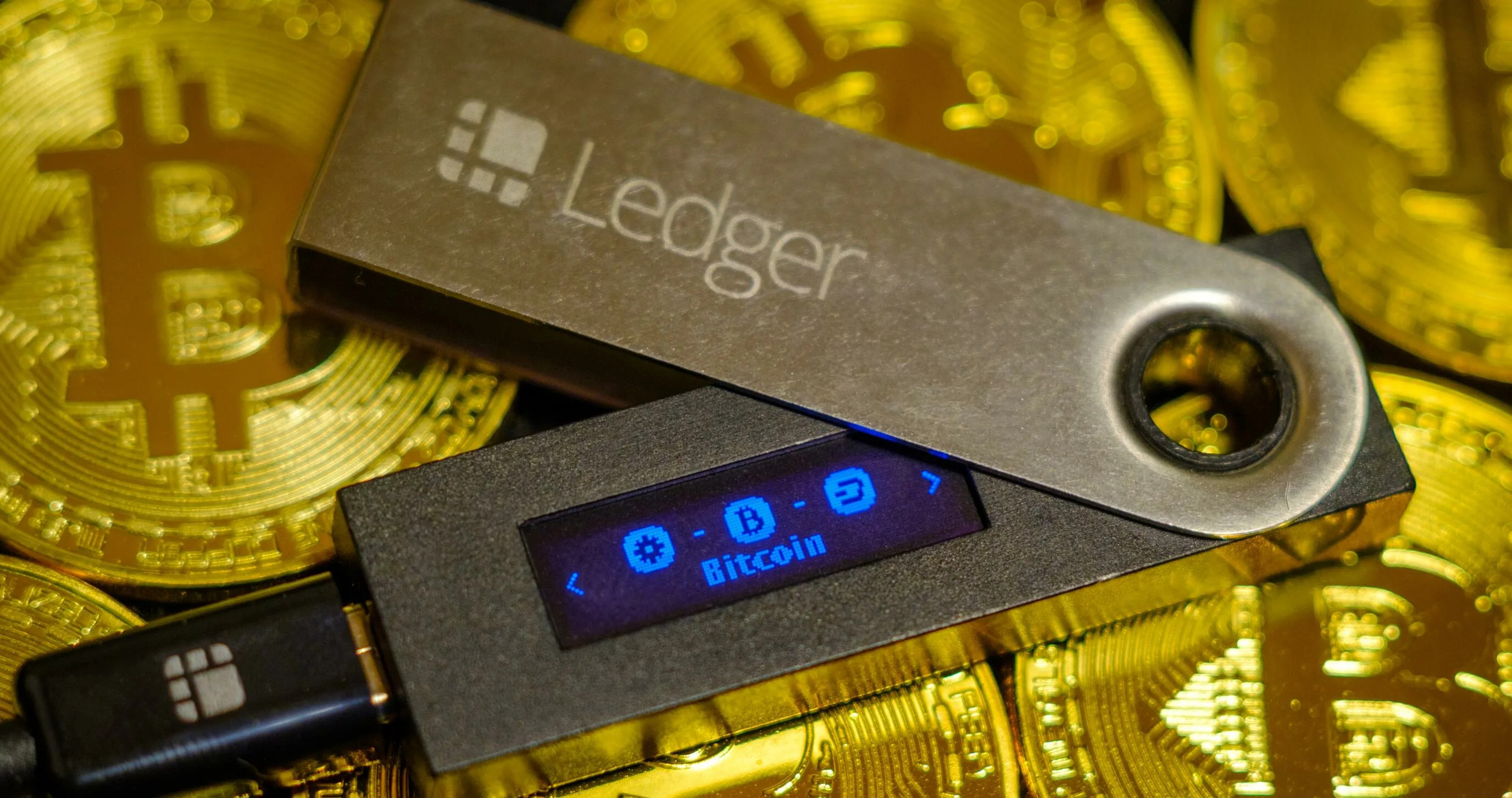
If you've already bought—or are planning to buy—Bitcoin, Ethereum, USDT, or any other cryptocurrency, one of the most important decisions you'll make is choosing the right crypto wallet.
Many beginners assume that cryptocurrencies are stored inside the wallet itself. In reality, your wallet stores the private keys that allow you to access and manage your digital assets on the blockchain.
In this guide, you'll learn what a crypto wallet is, the different types available, their advantages and disadvantages, and how to choose the best wallet based on your needs.
What Is a Crypto Wallet?
A crypto wallet is a software application or physical device that allows you to securely access and manage your cryptocurrency.
With a crypto wallet, you can:
- Store your private keys
- Send and receive cryptocurrencies
- Monitor your balances
- Manage multiple blockchain assets
- Connect to decentralized applications (DApps)
It's important to understand that Bitcoin, Ethereum, and other cryptocurrencies are not stored inside your wallet. They remain on the blockchain, while the wallet provides secure access to them through your private keys.
Types of Crypto Wallets
There are several types of cryptocurrency wallets, each designed for different purposes and levels of security.
Software Wallet
Software wallets are applications installed on your smartphone or computer.
Advantages
- Free to use
- Easy setup
- Convenient for everyday transactions
- Quick access to your funds
Disadvantages
- Connected to the internet
- More vulnerable to malware and phishing attacks
- Security depends on your device
Hardware Wallet
Hardware wallets are physical devices designed to store private keys offline.
They are considered one of the safest options for long-term cryptocurrency storage.
Advantages
- Excellent security
- Offline protection from hackers
- Ideal for storing large amounts of cryptocurrency
Disadvantages
- Requires purchasing a device
- Recovery Phrase must be stored safely
- Less convenient for frequent transactions
Web Wallet
Web wallets run directly in your browser and are accessible from almost any device.
They are convenient for fast access and daily use but are generally not recommended for storing significant amounts of cryptocurrency over long periods.
Exchange Wallet
Many users keep their cryptocurrencies directly on a cryptocurrency exchange.
While this option is convenient for active traders, it also means the exchange controls your private keys.
This is why experienced crypto users often repeat the phrase:
"Not your keys, not your coins."
If you don't control your private keys, you don't have complete control over your digital assets.
How to Choose the Right Crypto Wallet
The best wallet depends on how you plan to use your cryptocurrency.
If you regularly send or receive crypto payments, a software wallet may be the most practical choice because of its convenience.
If you're investing for the long term and holding larger amounts of Bitcoin, Ethereum, or other digital assets, a hardware wallet provides a much higher level of security.
When choosing a wallet, consider:
- Security features
- Ease of use
- Supported cryptocurrencies
- Backup and recovery options
- Reputation of the wallet provider
- Regular software updates
Choosing the right wallet today can help prevent costly mistakes in the future.
How to Keep Your Crypto Wallet Secure
Security should always be your highest priority.
Here are several best practices every cryptocurrency holder should follow:
- Never share your private keys with anyone.
- Write down your Recovery Phrase and store it offline.
- Download wallets only from official websites or app stores.
- Enable Two-Factor Authentication (2FA) whenever available.
- Keep your wallet software updated.
- Double-check wallet addresses before sending cryptocurrency.
- Beware of phishing emails and fake wallet applications.
Good security habits significantly reduce the risk of losing your digital assets.
Common Mistakes Crypto Users Make
Many cryptocurrency losses happen because of avoidable mistakes.
Some of the most common include:
- Losing the Recovery Phrase
- Sharing private keys
- Downloading fake wallet applications
- Falling for phishing websites
- Sending cryptocurrency through the wrong blockchain network
- Failing to verify wallet addresses
Understanding these risks is one of the best ways to protect your investments.
Do All Wallets Support Every Cryptocurrency?
No.
Some wallets are designed exclusively for Bitcoin, while others support hundreds or even thousands of digital assets.
Before choosing a wallet, make sure it supports the cryptocurrencies you plan to buy, store, or exchange.
If you regularly work with Bitcoin, Ethereum, USDT, and other popular cryptocurrencies, selecting a multi-currency wallet can provide greater flexibility.
Conclusion
Choosing the right crypto wallet is one of the most important steps in protecting your digital assets.
Whether you're investing in Bitcoin, Ethereum, USDT, or other cryptocurrencies, your wallet plays a crucial role in keeping your funds secure.
Understanding the different wallet types, following security best practices, and selecting a trusted solution will help you manage your cryptocurrency with confidence.
As the cryptocurrency industry continues to evolve, protecting your private keys remains the foundation of digital asset ownership.
Exchange Cryptocurrency Safely with OurExchangeClub
Looking for a secure and reliable place to buy, sell, or exchange cryptocurrency?
OurExchangeClub offers fast, transparent, and professional cryptocurrency exchange services in Armenia.
Why Choose OurExchangeClub?
- Competitive exchange rates
- Fast transactions
- Professional customer support
- Secure exchange process
- Transparent pricing
- Trusted cryptocurrency experts
Whether you're exchanging Bitcoin, Ethereum, USDT, or other digital assets, our experienced team is ready to assist you every step of the way.
Contact OurExchangeClub today and exchange your cryptocurrency with confidence.