

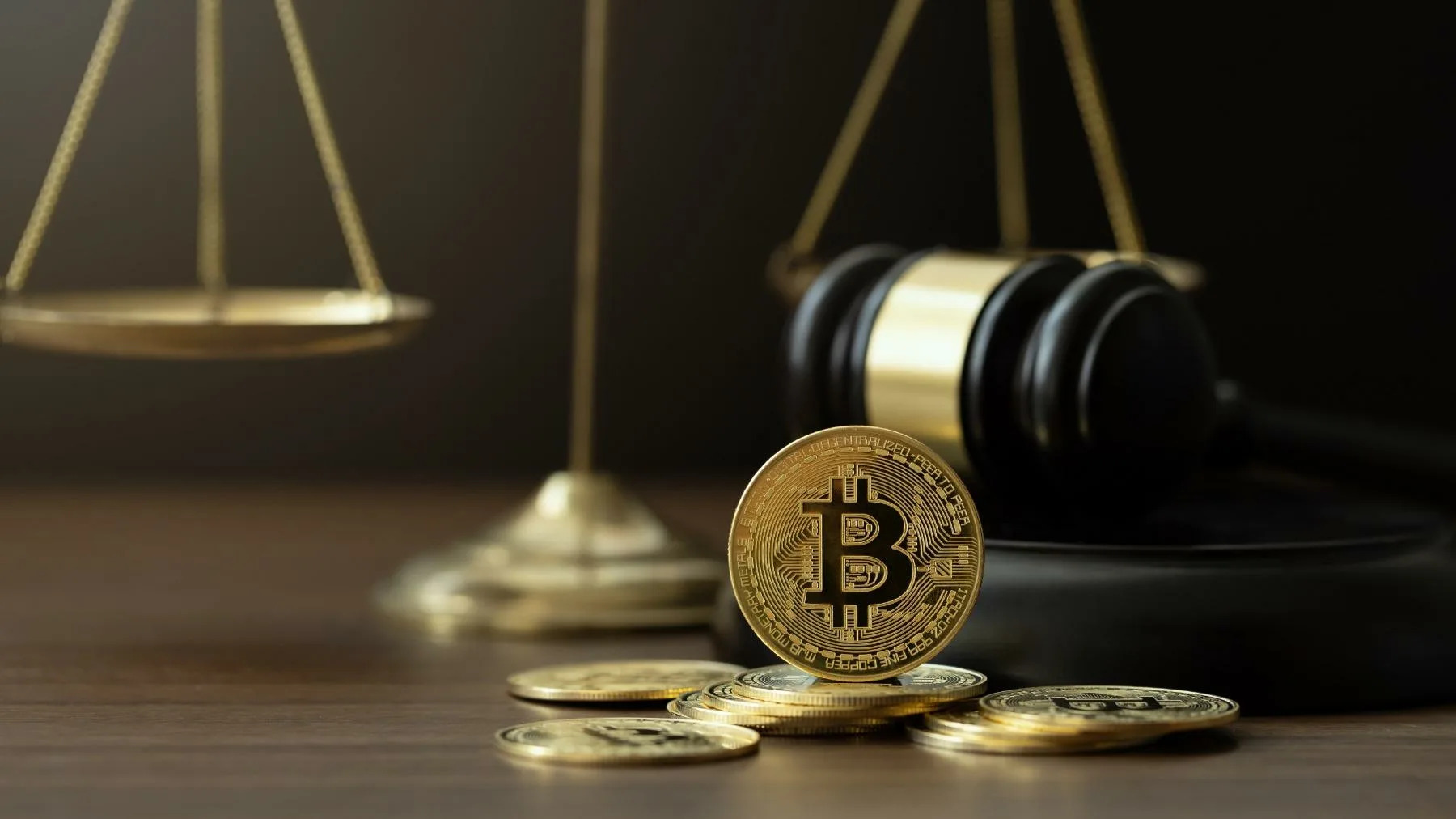
Հարավային Կորեայում հարկային մարմինները ներկայացրել են օրենսդրական փոփոխությունների առաջարկ, որը նախատեսում է ստեղծել հստակ իրավական մեխանիզմներ ինքնուրույն պահվող (self-custody) կրիպտոակտիվների բռնագրավման համար քրեական գործերի շրջանակում։
Առաջարկը հրապարակվել է քրեական քաղաքականությանը նվիրված գիտական ամսագրում և պատրաստվել է երկրի Ազգային հարկային ծառայության մասնագետների կողմից։ Նրանց կարծիքով՝ գործող օրենսդրությունը բավարար չափով չի կարգավորում այն դեպքերը, երբ թվային ակտիվները պահվում են անձնական դրամապանակներում, որոնց հասանելիությունը վերահսկվում է միայն սեփականատիրոջ մասնավոր բանալիների միջոցով։
Ի՞նչ խնդիր են փորձում լուծել
Գործող կանոնները հիմնականում վերաբերում են այն կրիպտոակտիվներին, որոնք պահվում են բորսաներում կամ այլ պահառու հարթակներում։
Սակայն եթե Bitcoin-ը, Ethereum-ը կամ այլ թվային ակտիվները պահվում են անձնական hardware կամ software դրամապանակներում, իրավապահ մարմինները բախվում են տեխնիկական և իրավական դժվարությունների։
Նույնիսկ եթե քննիչները ստանան դրամապանակի գաղտնի բանալին, հնարավոր է, որ դրա կրկնօրինակը մնա սեփականատիրոջ մոտ, ինչը թույլ կտա տեղափոխել ակտիվները մինչև գործի ավարտը։
Ինչ են առաջարկում մասնագետները
Հեղինակները կարծում են, որ դատարանի կողմից տրվող խուզարկության և բռնագրավման որոշումները պետք է ներառեն.
- բռնագրավվող թվային ակտիվների տեսակը,
- դրանց քանակը,
- դրամապանակի հասցեն,
- փոխանցման նպատակային հասցեն,
- ակտիվների պահպանման ընթացակարգը,
- փոխանցման մեթոդը։
Բացի այդ, առաջարկվում է ստեղծել համատեղ վերահսկվող կրիպտո դրամապանակներ, որոնք կկառավարվեն ոչ միայն քննիչների, այլև դատարանի մասնակցությամբ։ Սա, ըստ հեղինակների, կնվազեցնի չարաշահման և անվտանգության հետ կապված ռիսկերը։
Ինչու է սա կարևոր
Կրիպտոարժույթների օգտագործման աճին զուգահեռ աշխարհի բազմաթիվ երկրներ փորձում են հարմարեցնել իրենց օրենսդրությունը բլոկչեյն տեխնոլոգիաներին։
Հարավային Կորեայի առաջարկը ևս մեկ օրինակ է այն բանի, թե ինչպես են իշխանությունները փորձում հավասարակշռել ֆինանսական անվտանգության, իրավապահ գործունեության և թվային ակտիվների սեփականության իրավունքների միջև։
Եթե փոփոխություններն ընդունվեն, դրանք կարող են դառնալ կարևոր նախադեպ այլ երկրների համար, որոնք նույնպես աշխատում են կրիպտոակտիվների իրավական կարգավորման ուղղությամբ։
