

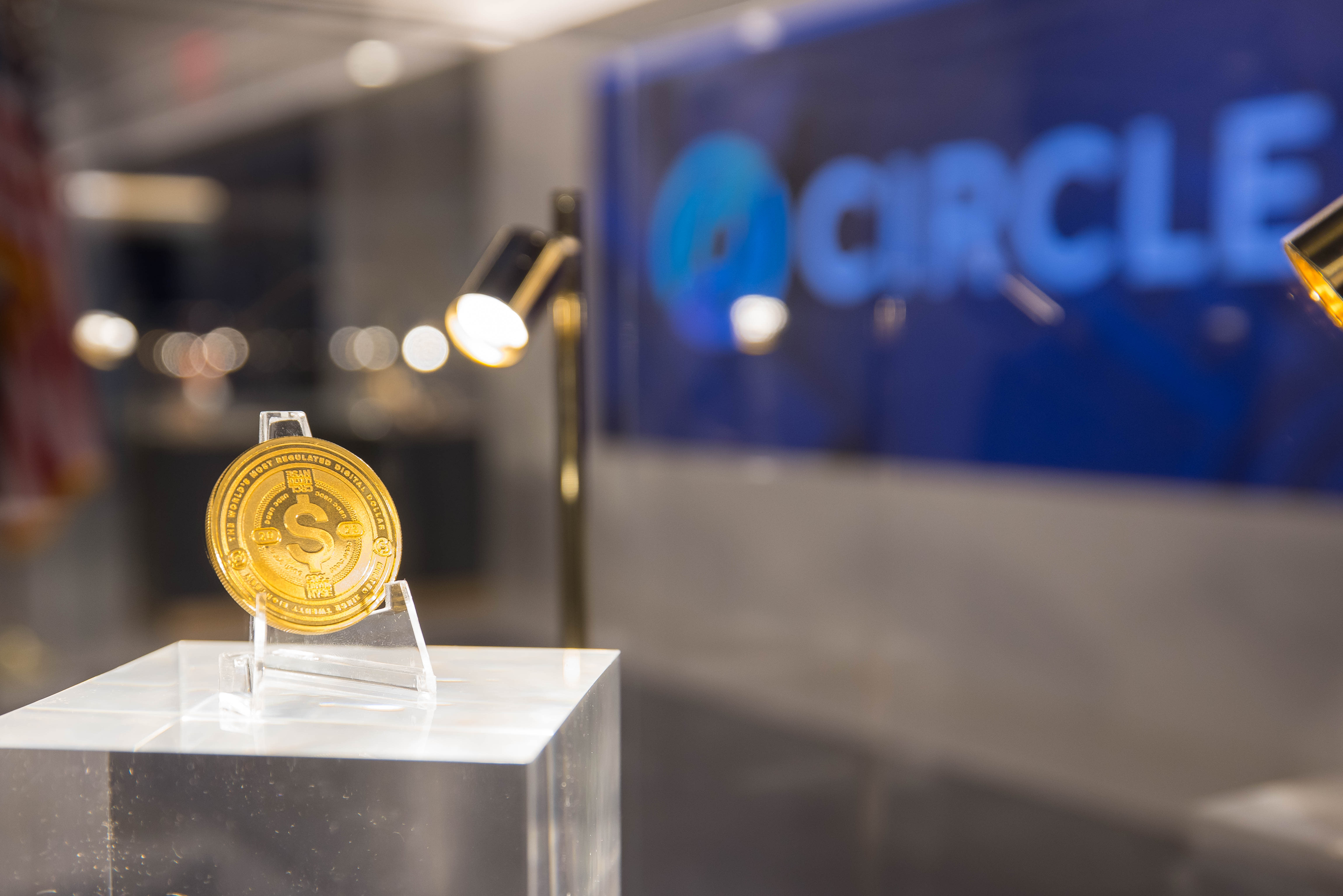
Circle, the company behind the USDC stablecoin, has reached an agreement to acquire Tazapay, a Singapore-based business-to-business (B2B) international payments platform.
The announcement, published on September 28, 2026, outlines Circle's plans to strengthen its global digital finance infrastructure and expand its capabilities in cross-border payments.
The proposed acquisition reflects the growing role of stablecoins in international financial transactions and the development of payment infrastructure that connects traditional financial services with blockchain-based technologies.
What Is Tazapay?
Tazapay provides international payment services for businesses. According to the announcement, the platform processes more than $25 billion in payments annually and works with over 60 banking and fintech partners.
Its local payment network covers more than 100 markets, giving the company an established presence in international payment corridors.
This infrastructure could provide Circle with additional capabilities for serving businesses that need to transfer money across borders and access local payment systems.
Why Is Circle Interested in Tazapay?
Circle has identified the acquisition as an opportunity to develop its global digital finance and international payments infrastructure.
Tazapay's existing network could help Circle expand the practical use of USDC in business payments, particularly in the Asia-Pacific region and emerging markets.
The companies' businesses also have an existing connection through stablecoin transactions. According to the source announcement, approximately 60% of Tazapay's transaction volume already involves stablecoins.
This figure highlights the role stablecoins currently play in the platform's payment activity and helps explain the strategic connection between the two companies.
How Could the Acquisition Affect USDC Payments?
USDC is a stablecoin designed to maintain a value of one US dollar. Stablecoins are commonly used in digital asset markets and can also support transfers of value through blockchain networks.
By combining Circle's stablecoin-related infrastructure with Tazapay's international payment network, the proposed acquisition could help expand the availability of USDC-based payment services for businesses.
Potential areas of development include:
- Cross-border business payments: Connecting digital payment infrastructure with international business transactions.
- Access to local payment networks: Using Tazapay's presence across more than 100 markets.
- Stablecoin adoption: Supporting demand for USDC-based payment services.
- Emerging markets: Developing payment capabilities in regions where businesses need access to international financial services.
These are potential strategic benefits described by the rationale for the acquisition, rather than confirmed outcomes. The actual impact will depend on the integration of the companies' systems, regulatory approvals, and future business decisions.
Why Stablecoins Matter in International Payments
Stablecoins are digital assets designed to track the value of another asset, most commonly a fiat currency such as the US dollar.
In international payments, they can provide an alternative way to transfer digital value between supported platforms and blockchain networks. Depending on the service, network, and destination, users may also need to consider transaction fees, processing times, liquidity, and regulatory requirements.
However, stablecoins are not risk-free. Their practical use depends on factors such as the issuer's arrangements, the blockchain network, the payment provider, and the rules applicable in each jurisdiction.
Circle's proposed acquisition of Tazapay is relevant to this broader development because it connects a major stablecoin issuer with an established B2B international payments platform.
When Is the Acquisition Expected to Close?
The transaction is expected to close in 2027, subject to approval from relevant regulatory authorities, including the Monetary Authority of Singapore, and the satisfaction of other customary closing conditions.
Until the transaction is completed, the proposed acquisition should be understood as an agreement to acquire Tazapay rather than a finalized change in ownership.
Further details about the transaction's completion and any resulting changes to the companies' services will depend on subsequent announcements.
What Does This Mean for the Crypto Industry?
The proposed acquisition illustrates how companies operating in the stablecoin sector are exploring opportunities beyond cryptocurrency trading.
Payment infrastructure, banking partnerships, local payment networks, and business-to-business transfers are becoming important areas of development for digital finance companies.
For the broader crypto industry, the transaction highlights the potential role of stablecoins in connecting blockchain-based financial infrastructure with conventional payment services. It also demonstrates why partnerships and acquisitions can be an important part of expanding access to digital payment solutions.
Nevertheless, the acquisition alone does not guarantee lower fees, faster transfers, or wider USDC availability in every market. Those outcomes would depend on how the combined infrastructure is developed and deployed.
Conclusion
Circle has agreed to acquire Tazapay, a Singapore-based B2B international payments platform, as part of its strategy to expand global digital finance and cross-border payment infrastructure.
With Tazapay processing more than $25 billion in annual payments, working with over 60 banking and fintech partners, and operating a local payment network across more than 100 markets, the proposed transaction could strengthen Circle's ability to develop USDC-related payment services.
The acquisition is expected to close in 2027, subject to regulatory approvals and other customary conditions. Until then, its final implications for businesses, payment providers, and stablecoin users remain to be seen.
Follow OurExchangeClub for the latest cryptocurrency news, stablecoin developments, and updates on the evolving digital asset industry.
